So Yamamura
13 titles
Filmography
13 results

Tora! Tora! Tora!
(1970)TORA! TORA! TORA! realistically chronicles the events leading up to the incredible attack on Pearl Harbor; the bad decisions and the bravery are chronicled from both American and Japanese points of view. In 1941, the Japanese and the United States are in conflict and unable to resolve their differences through diplomatic challenges. The Japanese military instigates covert plans for a surprise Sunday morning attack on the U.S. Pacific Fleet, based at Pearl Harbor. Codebreakers in the U.S. Intelligence are able to decipher some of the Japanese messages but are unable to convince the top brass that the attack could and will happen.

Sound of the Mountain
(1954)
The Yagyu Conspiracy
After the second Tokugawa shogun's death, a family feud erupts between Iemitsu and Tadanaga, with the Yagyu clan joining Iemitsu in a brutal struggle.
Princess Yang Kwei-fei
(1955)In 8th century China as the Emperor grieves the death of his wife, the Yang family provides him a consort to consolidate its influence over the court.

The Inheritance
(1962)
With Beauty and Sorrow
(1965)
The Barbarian and the Geisha
(1958)This semi-historical drama tells of the first American ambassador to Japan, who arrived in 1856 to much opposition but found comfort and support with a local geisha. John Wayne stars with Eiko Ando, Sam Jaffe and So Yamamura.
Tokyo Story
(1953)An aging couple visits their children in Tokyo only to find heartache and rejection.

The Human Condition I: No Greater Love
(1959)Director Masaki Kobayashi (Harakiri) was attracted to Junpei Gomikawa's source novel because he recognised himself in the character of the protagonist Kaji, an ardent pacifist who came of age during the aggressively militaristic 1930s and 40s. Kaji is relocated to a mine-supervising job in Manchuria, where he is horrified by the use of forced labour. Throughout, Kobayashi unflinchingly examines the psychological toll of appallingly complex decisions, where being morally 'right' risks outcomes ranging from ostracism to savage beating to death. As Kaji, Tatsuya Nakadai (Sanjuro) is in virtually every scene, providing a rock-solid emotional anchor - and a necessary one in Japan, where the film was hugely controversial for being openly critical of the nation's conduct during WWII. But it's this willingness to confront national taboos head-on that makes it such a lastingly powerful experience.
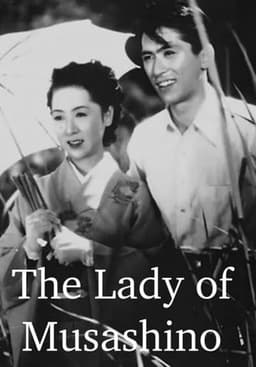
The Lady of Musashino
(1951)Trapped in a loveless marriage, a disillusioned young woman confides in her younger cousin when he returns home from battle at the end of WWII.

Early Spring
(1956)A young salary man and his wife struggle within the confines of their passionless relationship while he has an extramarital affair.

The Munekata Sisters
(1950)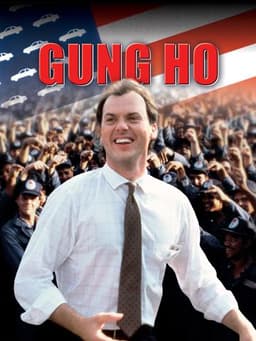
Gung Ho
(1986)A struggling town in Pennsylvania is thrilled when a Japanese auto firm opens a plant there until they realize they have to adhere to their strict work ethics leaving both sides having to compromise and work together for success.