Adriana Asti
6 titles
Filmography
6 results

Before the Revolution
(1964)Young, middle-class and idealistic, Fabrizio struggles to reconcile a commitment to revolutionary ideals with his bourgeois background. And an impulsive affair with his free-spirited aunt only adds to his uncertainties. A fascinating record of the flowering of 1960s radicalism, Bertolucci captures the passion and ideology, and also the compromises of this fervent period. Score by Ennio Morricone.
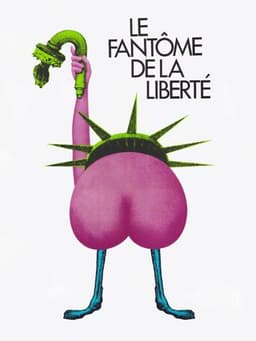
The Phantom of Liberty
(1974)Bourgeois convention is demolished in Luis Buñuel’s surrealist gem THE PHANTOM OF LIBERTY. Featuring an elegant soiree with guests seated at toilet bowls, poker-playing monks using religious medals as chips, and police officers looking for a missing girl who is right under their noses, this perverse, playfully absurd comedy of non sequiturs deftly compiles many of the themes that preoccupied Buñuel throughout his career—from the hypocrisy of conventional morality to the arbitrariness of social arrangements.
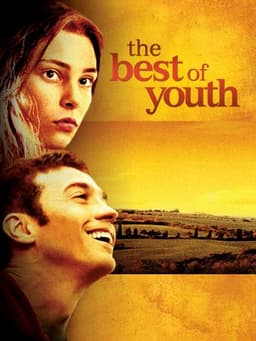
The Best of Youth
(2003)Winner of the Cannes Film Festival's Prize Un Certain Regard, this historical drama follows the saga of one family in Italy from the late 60s to the 21st century.

Duet for Cannibals
(1969)Essayist, novelist, critic, cinephile, and all-around intellectual dynamo Sontag made her directorial debut with this definition-defying, dryly funny psychological serio-comedy, the result of a Swedish studio’s invitation to her to make a film in Stockholm. The result, revolving around the quadrangular relationship between an arrogant ex-revolutionist German intellectual exile, his elegant wife, their Swedish student secretary, and the earnest secretary’s bride-to-be, is a roundelay of partner-swapping that gradually drifts towards uncharted territory, gamesmanship that broaches the surreal and violent. Defying literal-minded interpretation, Duet for Cannibals is both an illustrative companion to Sontag’s criticism, and introduction of a startlingly original filmmaker.

Unforgivable
(2011)
Accattone
(1961)Poet and painter turned filmmaker Pier Paolo Pasolini courted controversy with his very first feature by using Catholic iconography and liturgical music to render a plaintive, brutally beautiful portrait of a shiftless Roman pimp and thief (then-nonprofessional Franco Citti, in a revelatory performance) whose life of petty crime turns increasingly desperate when the woman who supports him is imprisoned. Melding a hardscrabble neorealist milieu with classical influences, Pasolini offers a vision of underclass struggle as a kind of modern sainthood.