Koji Tsuruta
8 titles
Filmography
8 results
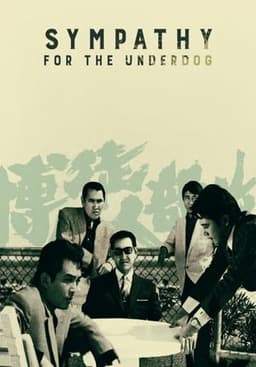
Sympathy for the Underdog
(1971)Returning from a ten-year prison sentence, former gang leader Masuo Gunji finds that things have changed, and his turf now has a new leader.
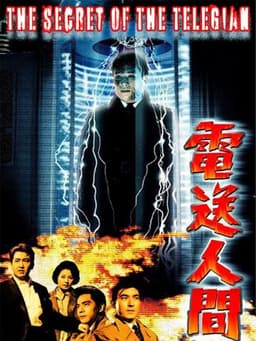
The Secret of the Telegian
(1960)Detectives race to thwart a mysterious, diabolical killer who uses a matter-transmitting device to teleport to his victims, and then escape.
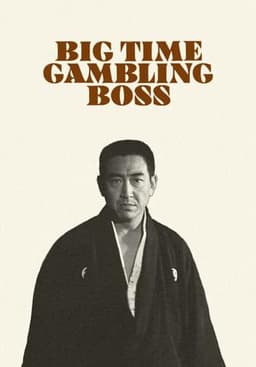
Big Time Gambling Boss
(1968)As machinations get under way to install a new clan leader, loyalties are severely tested when the rightful leader is released from jail.
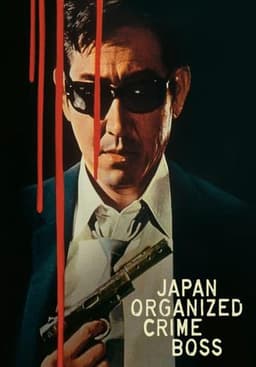
Japan Organized Crime Boss
(1969)Hoping for a peaceful life after his release from jail, a yakuza member instead finds himself leading a territorial battle for control of Yokohama.
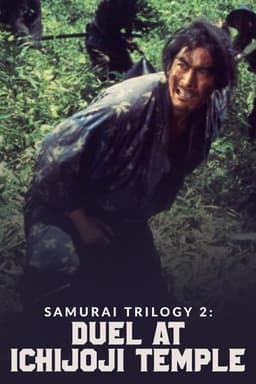
Samurai II: Duel at Ichijoji Temple
(1955)Toshiro Mifune furiously embodies swordsman Musashi Miyamoto as he comes into his own in the action-packed middle section of the Samurai Trilogy. Duel at Ichijoji Temple furthers Miyamoto along his path to spiritual enlightenment, as well as further from the arms of the two women who love him: loyal Otsu (Kaoru Yachigusa) and conniving yet tragic Akemi (Mariko Okada). The film also brings him face to face with hoards of rivals intent on cutting him down, especially his legendary rival Kojiro (Koji Tsuruta). The titular climax is one of Japanese cinema’s most rousingly choreographed conflicts, intensified by Jun Yasumoto’s color cinematography and Ikuma Dan’s triumphant score.

Samurai III: Duel at Ganryu Island
(1956)A disillusioned Musashi Miyamoto (Toshiro Mifune) has turned his back on the samurai life, becoming a farmer in a remote village, while his nemesis Kojiro (Koji Tsuruta) now works for the shogun. Circumstances bring them back together for one final face-off. Though it’s marked by a memorably intense final battle sequence, the rousing conclusion to the Samurai Trilogy is engaged with matters of the heart as well, as Miyamoto must ask himself what it is that makes a warrior and a man.
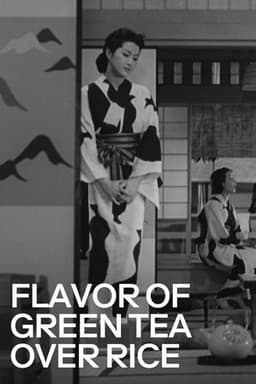
The Flavor of Green Tea Over Rice
(1952)One of the ineffably lovely domestic sagas made by Yasujiro Ozu at the height of his mastery, THE FLAVOR OF GREEN TEA OVER RICE is a sublimely piercing portrait of a marriage coming quietly undone. Secrets and deceptions strain the already tenuous relationship of a childless, middle-aged couple, as the wife’s city-bred sophistication bumps up against the husband’s small-town simplicity, and a generational sea change—in the form of her headstrong, modern niece—sweeps over their household. The director’s abiding concern with family dynamics receives one of its most spirited treatments, with a wry, tender humor and buoyant expansiveness that moves the action from the home into the baseball stadiums, pachinko parlors, and ramen shops of postwar Tokyo.
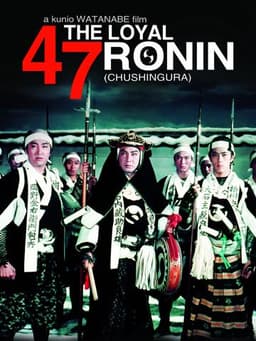
The Loyal 47 Ronin
(1958)A group of ronin (masterless samurai) patiently plan and execute an assault on a rival Lord's estate, exacting revenge after their master was forced to commit seppuku (ritual suicide) for assaulting a court official. Set during the Tokugawa shogunate in 1701, based on a true story.