Michiyo Kogure
6 titles
Filmography
6 results

Fireworks Over the Sea
(1951)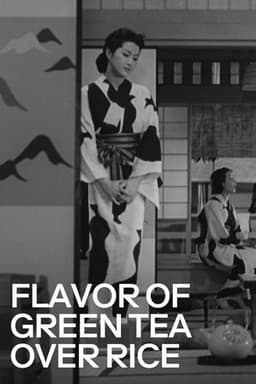
The Flavor of Green Tea Over Rice
(1952)One of the ineffably lovely domestic sagas made by Yasujiro Ozu at the height of his mastery, THE FLAVOR OF GREEN TEA OVER RICE is a sublimely piercing portrait of a marriage coming quietly undone. Secrets and deceptions strain the already tenuous relationship of a childless, middle-aged couple, as the wife’s city-bred sophistication bumps up against the husband’s small-town simplicity, and a generational sea change—in the form of her headstrong, modern niece—sweeps over their household. The director’s abiding concern with family dynamics receives one of its most spirited treatments, with a wry, tender humor and buoyant expansiveness that moves the action from the home into the baseball stadiums, pachinko parlors, and ramen shops of postwar Tokyo.

Street of Shame
(1956)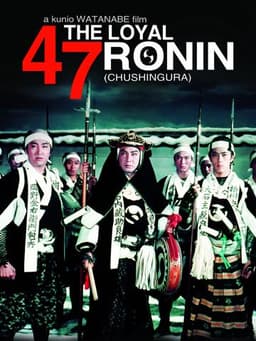
The Loyal 47 Ronin
(1958)A group of ronin (masterless samurai) patiently plan and execute an assault on a rival Lord's estate, exacting revenge after their master was forced to commit seppuku (ritual suicide) for assaulting a court official. Set during the Tokugawa shogunate in 1701, based on a true story.

Drunken Angel
(1948)In this powerful early noir from the great Akira Kurosawa, Toshiro Mifune bursts onto the screen as a volatile, tubercular criminal who strikes up an unlikely relationship with Takashi Shimura’s jaded physician. Set in and around the muddy swamps and back alleys of postwar Tokyo, DRUNKEN ANGEL is an evocative, moody snapshot of a treacherous time and place, featuring one of the director’s most memorably violent climaxes.
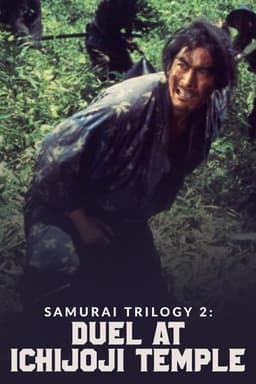
Samurai II: Duel at Ichijoji Temple
(1955)Toshiro Mifune furiously embodies swordsman Musashi Miyamoto as he comes into his own in the action-packed middle section of the Samurai Trilogy. Duel at Ichijoji Temple furthers Miyamoto along his path to spiritual enlightenment, as well as further from the arms of the two women who love him: loyal Otsu (Kaoru Yachigusa) and conniving yet tragic Akemi (Mariko Okada). The film also brings him face to face with hoards of rivals intent on cutting him down, especially his legendary rival Kojiro (Koji Tsuruta). The titular climax is one of Japanese cinema’s most rousingly choreographed conflicts, intensified by Jun Yasumoto’s color cinematography and Ikuma Dan’s triumphant score.