Jeanne Moreau
27 titles
Filmography
27 results
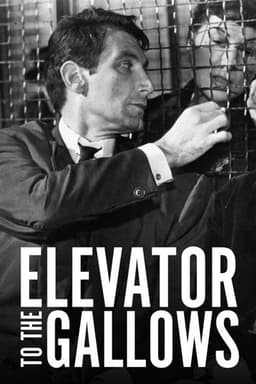
Elevator to the Gallows
(1958)In his mesmerizing debut feature, twenty-four-year-old director Louis Malle brought together the beauty of Jeanne Moreau, the camerawork of Henri Decaë, and a now legendary score by Miles Davis.
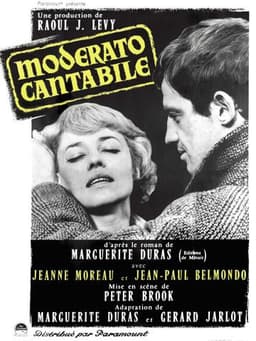
Seven Days… Seven Nights
(1960)An unhappy rich woman (Jeanne Moreau) begins meeting one of her husband's workers (Jean-Paul Belmondo) to discuss a murder they witnessed.
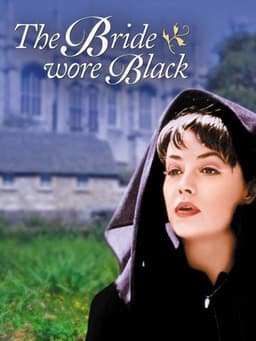
The Bride Wore Black
(1968)The incandescent Jeanne Moreau stars as a bride seeking revenge for the murder of her husband on their wedding day in director François Truffaut's passionate and haunting tribute to the films of Alfred Hitchcock.

Eva
(1962)A successful writer seems to have it all and yet is still bitter when he becomes obsessed with a prostitute who sends him down self-destructive paths.

Cet amour-là
(2001)French writer Marguerite Duras (Jeanne Moreau) begins a 16-year love affair with a much younger man (Aymeric Demarigny) who becomes her secretary.
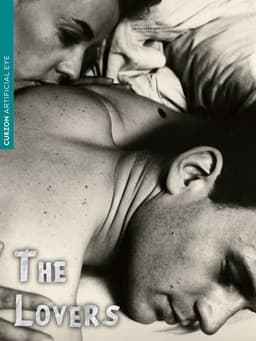
The Lovers
(1958)Saddled with a dull husband and a foolish lover, a woman has an affair with a stranger.
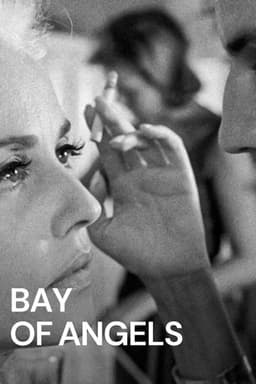
Bay of Angels
(1963)Dressed from head to toe in couture Pierre Cardin, Jeanne Moreau is an impervious femme fatale in Jacques Demy’s tale of wayward gamblers, shot on the lush coast of Nice. Composed of tumbling piano runs, Michel Legrand’s score cascades like rain, an indelible accompaniment to a stormy love affair.
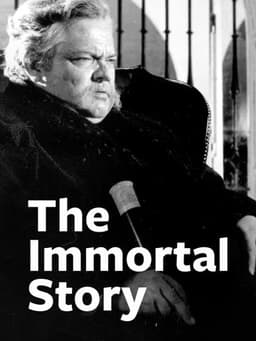
The Immortal Story
(1968)A sailor bets he can seduce a wealthy man's wife, not knowing the man has hired a woman to play the role.
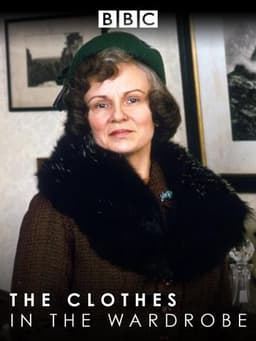
The Clothes in the Wardrobe
(1993)A wicked comedy set in Egypt and London in the late 1950s. Lili (exotic, rebellious, free-living and dangerously delightful) descends on deeply conservative Monica, who is frantically preparing for her daughter's wedding. Forming an unholy alliance with the groom's mother, Lili prevents a disastrous marriage by causing a scandal that suburbia will never forget.
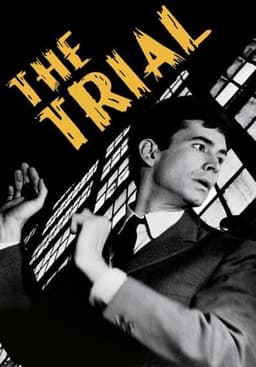
The Trial
(1962)Based on the Kafka novel, an unassuming office worker is arrested and stands trial without ever being informed of the charges against him.
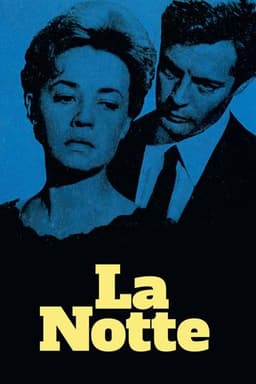
La Notte
(1961)Over the course of one day and night, a novelist and his distressed wife lament over the disintegration of their relationship. Antonioni’s muse Monica Vitti smoulders as seductive socialite.
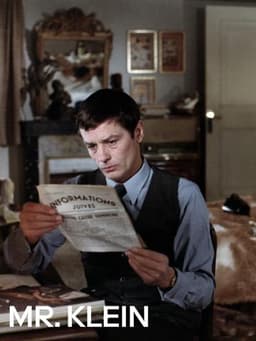
Mr. Klein
(1976)Paris, January 1942 - art dealer Robert Klein is making a killing. For this loyal Frenchman the Nazi occupation is a unique business opportunity.
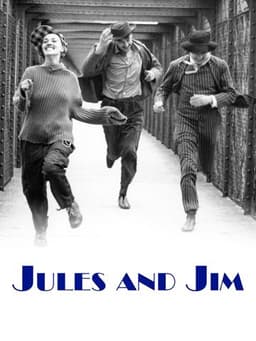
Jules and Jim
(1962)Two friends, the German Jules and the French Jim, fall in love with the same woman, Catherine, but she marries Jules and returns to Germany with him. World War I separates the two friends and when they meet again Catherine changes partners.

The Train
(1964)During WWII, a railway inspector joins the French Resistance to prevent Germans from stealing paintings in this wartime thriller based on true events.

The Architecture of Doom
(1989)This unusual documentary feature makes the case that the whole Nazi movement was an outgrowth of a perverted German aesthetic which placed an inordinate value on cleanliness and magnified the bourgeois country's tendencies to elevate kitsch and sentimentality to the level of central cultural values. In order to make his case, the filmmaker has gathered an unrivaled collection of clips and photos of the art and architecture of the period which shows tendencies in this direction. Adolf Hitler himself is shown to have been a failed painter of architectural scenes with a strong penchant for all these obsessions. There are logical connections, the filmmaker asserts, between this aesthetic and the genocide perpetrated by the Nazis. Whether the logic is compelling to the viewer or not, this documentary contains a wealth of carefully assembled and thought-provoking images, many of them seen nowhere else.

Querelle
(1982)At a French bordello, a dashing sailor and his brother get entangled in a web of sibling rivalry, dark secrets, and intense passions.

The Trout
(1982)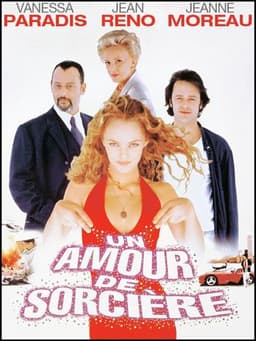
A Witch's Way of Love
(1997)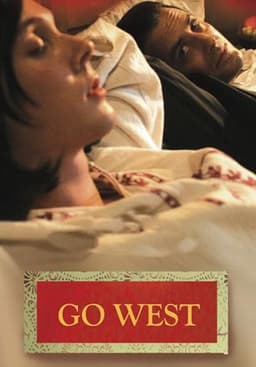
Go West
(2005)In 1990’s Bosnia, a Muslim cellist and a Serbian student trying to flee the ethnic wars and daily homophobia hatch a plan to pose as a married couple.
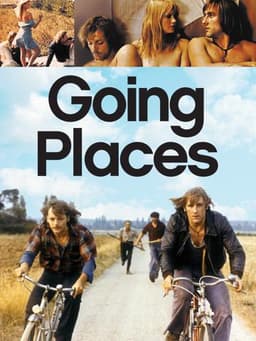
Going Places
(1974)In this controversial and notorious buddy film, director Bertrand Blier (GET OUT YOUR HANDKERCHIEFS) created what critic Pauline Kael described as “an explosively funny erotic farce – both a celebration and a satire of men’s daydreams.”