Greta Garbo
15 titles
Filmography
15 results
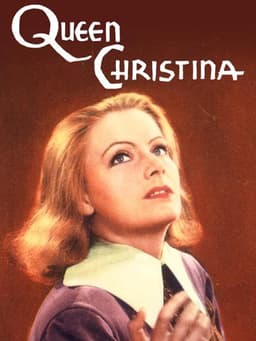
Queen Christina
(1934)Greta Garbo stars in one of her greatest roles, as the 17th century Swedish queen fiercely devoted to her country who fights at the head of her army like a man but who loves like a woman--Queen Christina. Crowned queen when she was five years old, the beautiful Christina (Garbo) leads a sexually ambiguous life as she fights to defend her Protestant country against the Counterreformation, dressi...
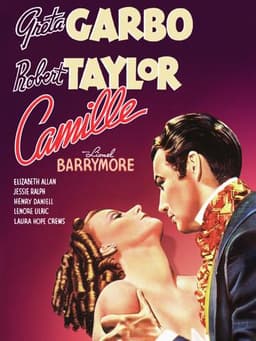
Camille
(1936)Life in 1847 Paris is as spirited as champagne and as unforgiving as the gray morning after. In gambling dens and lavish soirees, men of means exert their wills and women turned courtesans exult in pleasure. One such woman is Marguerite Gautier (Greta Garbo), the Camille of this sumptuous romance tale based on the enduring Alexandre Dumas story.
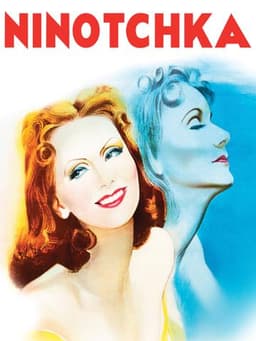
Ninotchka
(1939)Greta Garbo bursts into a rare bit of onscreen laughter during her portrayal of a cold-hearted Soviet agent who is warmed up by a trip to Paris and a night of love.
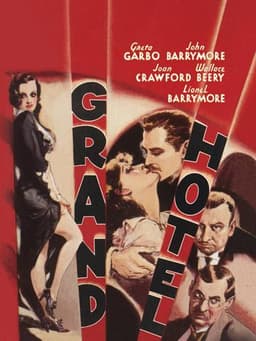
Grand Hotel
(1932)In the 1930s, MGM was home, as the studio itself put it, to “more stars than there are in heaven”—and they all aligned for this pinnacle of dream-factory glitz. In a single day in Berlin’s Grand Hotel, jewel thief Baron Felix von Geigern (John Barrymore) covets both the jewels of prima ballerina Grusinskaya (Greta Garbo) and the beautiful stenographer Flaemmchen (Joan Crawford), who is the mistress of General Director Preysing (Wallace Beery), boss to the terminally ill Otto Kringelein (Lionel Barrymore). Now, in just twenty-four hours, the lives of these glamorous guests will change forever in this classic Academy Award winner for best picture.
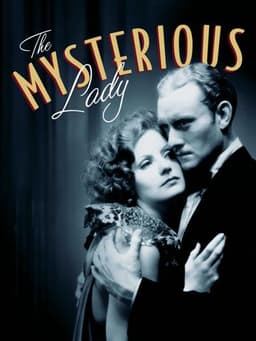
The Mysterious Lady
(1928)A Russian spy seduces an Austrian officer to steal state secrets, but both wind up in serious danger after when they fall in love.
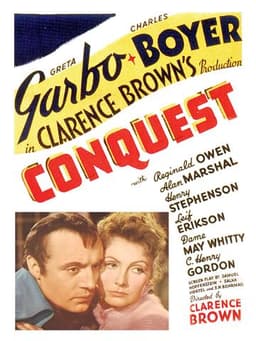
Conquest
(1937)Conquest vividly recreates one of the most celebrated romances in history: the ill-fated love affair between Polish countess Marie Walewska and the Emperor of France, Napoleon Bonaparte.

The Saga of Gösta Berling
(1924)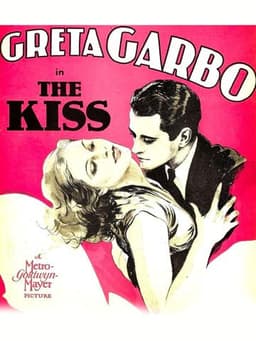
The Kiss
(1929)An unhappily married woman finds herself caught up in scandal and a murder trial when her affection toward a young man is misinterpreted.
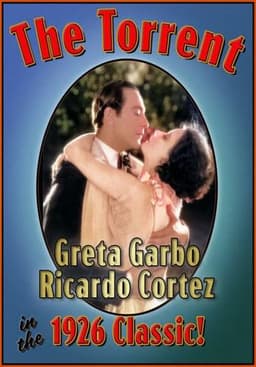
Torrent
(1926)After being kicked out of their house by a noblewoman, a young woman is heartbroken when her sweetheart won't go to Paris with her and her father.
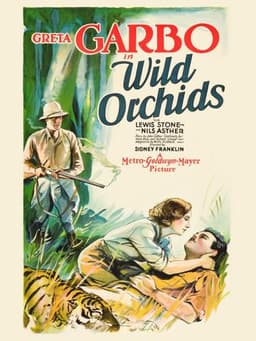
Wild Orchids
(1929)A vacationing couple confronts jealous feelings when the wife is drawn t o a prince.

The Single Standard
(1929)
Romance
(1930)Greta Garbo stars in a film named for the genre she defined--Romance. In an attempt to dissuade young Harry (Elliot Nugent) from marrying an actress, Tom Armstrong (Gavin Gordon) confesses a story of the woman who stole his heart when he was a young priest, opera diva Rita Cavallini (Garbo). Desperately in love, the young Armstrong learns that Cavallini had lived as the mistress of an older man--and that the woman for whom he is ready to sacrifice his future and possibly his soul will never be able to change her ways.
Flesh and the Devil
(1926)Leo and Ulrich are childhood friends. But their lifelong friendship begins to fracture when Ulrich marries Felicitas, the woman Leo loves.
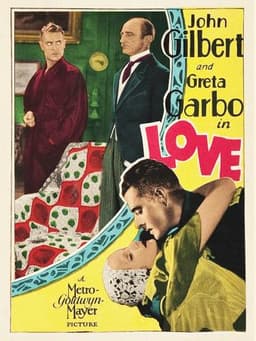
Love
(1927)In 1935, Greta Garbo starred in one of her finest and best-loved talkies, Anna Karenina. In 1927, she starred in this loosely adapted silent version of Leo Tolstoy's novel, a film that today provides an intriguing opportunity for a before-and-after comparison of the actress in the same role and remains an intriguing film in its own right. Love captures Garbo near the start of her career - a mere 22 and already celebrated as both a gifted artist and screen goddess. She plays Anna, wife of a Russian nobleman, who surrenders her virtue, her security and her child for the love of a gallant and impetuous officer (John Gilbert, Garbo's off-screen amour). The film's original ads say everything a Garbo devotee needs to hear: "Garbo and Gilbert in Love."

Garbo: Where Did You Go?
(2024)This in-depth portrait of actor Greta Garbo tracks her rise to fame and eventual retreat from the limelight through reenactments and archival material.