Mitsuko Mito
8 titles
Filmography
8 results

Woman
(1948)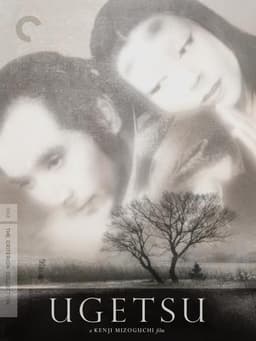
Ugetsu
(1953)"Quite simply one of the greatest of filmmakers," said Jean-Luc Godard of Kenji Mizoguchi. And Ugetsu, a ghost story like no other, is surely the Japanese director’s supreme achievement. Derived from stories by Akinari Ueda and Guy de Maupassant, this haunting tale of love and loss--with its exquisite blending of the otherworldly and the real--is one of the most beautiful films ever made.

Jubilation Street
(1944)As World War II escalates, the tight-knit habitants of a street in Tokyo must relocate from their homes so that the government can use the space. Kinoshita's sensitive film, beautifully and resourcefully shot on a single set, traces the fears and desires of the evacuees.

The Golden Demon
(1954)
I Will Buy You
(1956)
There Was a Father
(1942)Yasujiro Ozu’s frequent leading man Chishu Ryu is riveting as Shuhei, a widowed high school teacher who finds that the more he tries to do what is best for his son’s future, the more they are separated. Though primarily a delicately wrought story of parental love, There Was a Father offers themes of sacrifice that were deemed appropriately patriotic by Japanese censors at the time of its release during World War II, making it a uniquely political film in Ozu’s body of work.
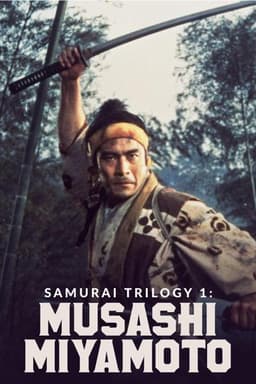
Samurai I: Musashi Miyamoto
(1954)After his army loses a battle, a young warrior returns to his village, where he's arrested for treason. He's spared from execution, but must spend three years studying the samurai code to earn his freedom.
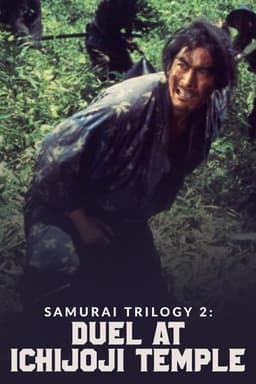
Samurai II: Duel at Ichijoji Temple
(1955)Toshiro Mifune furiously embodies swordsman Musashi Miyamoto as he comes into his own in the action-packed middle section of the Samurai Trilogy. Duel at Ichijoji Temple furthers Miyamoto along his path to spiritual enlightenment, as well as further from the arms of the two women who love him: loyal Otsu (Kaoru Yachigusa) and conniving yet tragic Akemi (Mariko Okada). The film also brings him face to face with hoards of rivals intent on cutting him down, especially his legendary rival Kojiro (Koji Tsuruta). The titular climax is one of Japanese cinema’s most rousingly choreographed conflicts, intensified by Jun Yasumoto’s color cinematography and Ikuma Dan’s triumphant score.