Ryūnosuke Tsukigata
5 titles
Filmography
5 results

The Mad Fox
(1962)In stark contrast to the monochrome naturalism of his earlier masterwork Bloody Spear at Mount Fuji, visionary master director Tomu Uchida took inspiration from Bunraku and kabuki theater for arguably his strangest and most lavishly cinematic film, The Mad Fox. Amidst a mythically-depicted medieval Japan, a court astrologer foretells a great disturbance that threatens to split the realm in two. His bitter and treacherous wife conspires to have the astrologer killed, as well as their adopted daughter, Sakaki. The astrologer's master apprentice, Yasuna, who was in love with Sakaki, is driven mad with grief and escapes to the countryside. There, he encounters Sakaki's long-lost twin, Kuzunoha, and the pair meet a pack of ancient fox spirits in the woods, whose presence may be the key to restoring Yasuna's sanity, and in turn bringing peace to the fracturing nation. Finally available outside Japan for the first time, Uchida's stunning, wildly stylised widescreen tableaux - using expressionist sets and colour schemes - are highlighted.
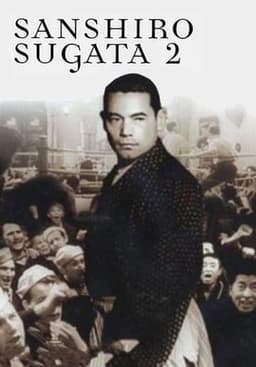
Sanshiro Sugata, Part Two
(1945)Sugata returns to prove his mastery of judo while facing a moral dilemma: Will he compromise his training to protect the honor of the dojo?

Sanshiro Sugata
(1943)Sanshiro, a strong but stubborn youth, abandons his jujutsu training to master the art of judo from the master Shogoro Yano by combining the competitive elements of the art with the quiet, meditative aspects of the fighting style.
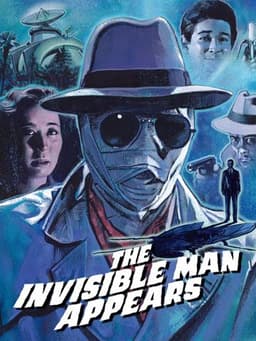
The Invisible Man Appears
(1949)These unique riffs on H.G. Wells' classic character (though undoubtedly also indebted to Universal's iconic film series) are two of the earliest examples of tokusatsu (special effects) cinema from Daiei Studios, later the home of Gamera. In The Invisible Man Appears, written and directed by Nobuo Adachi in 1949, a scientist successfully creates an invisibility serum, only to be kidnapped by a gang of thugs who wish to use the formula to rob a priceless jewel. In addition to being the earliest surviving Japanese science fiction film ever made, the film's entertaining special effects were an early credit for the legendary Eiji Tsuburaya, five years before he first brought Godzilla to life.
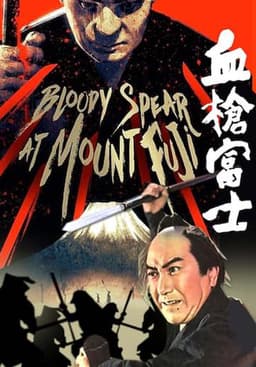
Bloody Spear at Mount Fuji
(1955)After his master is slain in a drunken dispute, spear-bearer Gonpachi discovers the weight of human emotion as he sets out on a path of revenge.