Kei Satō
19 titles
Filmography
19 results
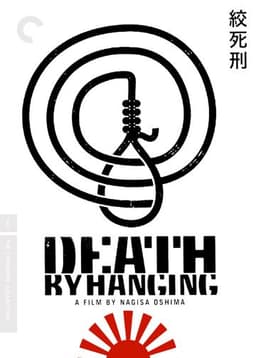
Death by Hanging
(1968)Genius provocateur Nagisa Oshima (In the Realm of the Senses), an influential figure in the Japanese New Wave of the 1960s, made one of his most startling political statements with the compelling pitch-black satire Death by Hanging. In this macabre farce, a Korean man is sentenced to death in Japan but survives his execution, sending the authorities into a panic about what to do next.

Japanese Summer: Double Suicide
(1967)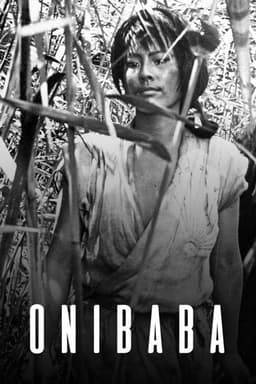
Onibaba
(1964)Deep within the wind-swept marshes of war-torn medieval Japan, an impoverished mother and her daughter-in-law eke out a lonely, desperate existence before an ominous, ill-gotten demon mask seals their horrifying fate.

Violence at Noon
(1966)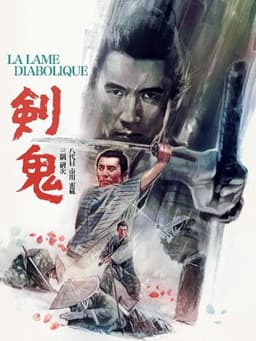
Sword Devil
(1965)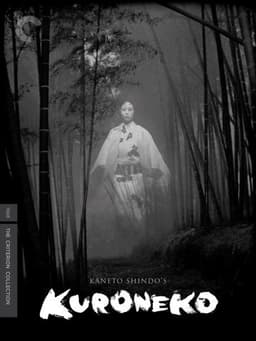
Kuroneko
(1968)Kaneto Shindo’s classic, spectacularly eerie twilight tale is a poetic and atmospheric horror fable with a shocking feminist angle. A malevolent spirit has been ripping out the throats of itinerant samurai at a village in war-torn medieval Japan. When a military hero is sent to dispatch the unseen force, he finds that he must struggle with his own personal demons as well.

Samurai Spy
(1965)
Hanzo the Razor: The Snare
(1973)Hanzo faces off against a notorious thief as well as a temple priestess who sells her pupils into prostitution.

Three Resurrected Drunkards
(1968)
Diary of a Shinjuku Thief
(1969)
Zatoichi's Conspiracy
(1973)Everything comes full circle when Zatoichi returns to his hometown. Unfortunately, he finds that a childhood friend has become a feared crime lord, keeping the locals in debt and bilking them of their rice. Capping off Zatoichi’s feature film era before he made the transition to television in 1974, this chapter is suffused with melancholy, closing the series on a note of seriousness and emotional heft that it has well earned.

Night and Fog in Japan
(1960)
The Notorious Bored Samurai
(1988)On a mission to root out corruption in Nagasaki, a vassal of Shogun Tsunayoshi crosses swords with officials and helps a mysterious woman in danger.

The Human Condition II: Road to Eternity
(1959)
Pitfall
(1962)
Eleven Samurai
(1967)
The Tattooed Hitman
(1974)Through a simple act of revenge, Tokyos deadliest assassin sets off the biggest gang war in crime history. There is nowhere to hide when the most vicious criminal imaginable try to hunt him down, determined to annihilate this definitive master of death. Starring Bunta Sugawara ("Spirited Away," "The Man Who Stole the Sun") and Tsunehiko Watese ("Antarctica," "Amagi goe"). Japanese Language Film with English Subtitles.
Harakiri
(1962)Following the collapse of his clan, an unemployed samurai (Tatsuya Nakadai) arrives at the manor of Lord Iyi, begging to be allowed to commit ritual suicide on the property. Iyi’s clansmen, believing the desperate ronin is merely angling for a new position, try to force his hand and get him to eviscerate himself—but they have underestimated his beliefs and his personal brand of honor. Winner of the Cannes Film Festival’s Special Jury Prize, Harakiri, directed by Masaki Kobayashi is a fierce evocation of individual agency in the face of a corrupt and hypocritical system.
The Sword of Doom
(1966)Tatsuya Nakadai and Toshiro Mifune star in the story of a wandering samurai who exists in a maelstrom of violence. A gifted swordsman plying his trade during the turbulent final days of Shogunate rule Ryunosuke (Nakadai) kills without remorse, without mercy. It is a way of life that ultimately leads to madness.