Nobuo Kaneko
12 titles
Filmography
12 results

Eight Hours of Terror
(1957)is a 1957 black-and-white Japanese film directed by Seijun Suzuki. It is a thriller film with gangster film elements, based partly on John Ford's Stagecoach.
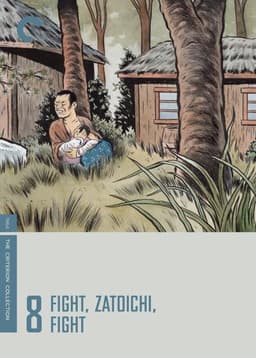
Fight, Zatoichi, Fight
(1964)While on the road, Zatoichi befriends a young mother right before she is savagely murdered. Promising her that he will hand over her baby to its father, the blind masseur embarks on an adventure both sentimental and beset by perilous action. This eighth Zatoichi feature is an excellent showcase for star Shintaro Katsu, who evinces an extraordinary physical and emotional range.
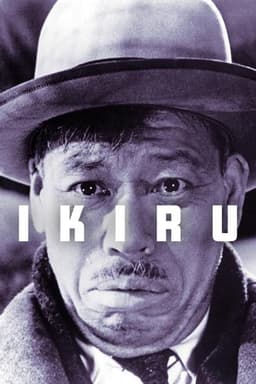
Ikiru
(1952)A dying man devotes his last months to building a children's playground.

Intimidation
(1960)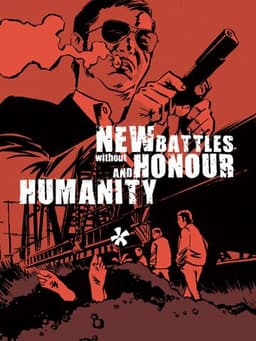
New Battles Without Honor and Humanity 1
(1974)Bunta Sugawara is Miyoshi, a low-level assassin of the Yamamori gang who is sent to jail after a bungled hit. While in stir, family member Aoki (Lone Wolf and Cub's Tomisaburo Wakayama) attempts to seize power from the boss, and Miyoshi finds himself stuck between the two factions with no honourable way out
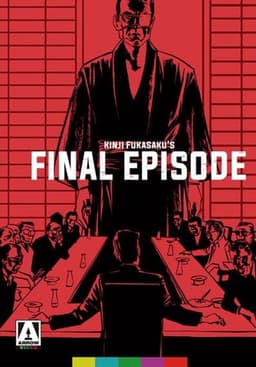
Battles Without Honor and Humanity: Final Episode
(1974)The Final Episode of the Battles Without Honour and Humanity series brought a new, more contemporary mood to the film and its characters. The yakuza may be starting to resemble a legitimate business, but director Kinji Fukasaku, working with new screenwriter Kôji Takada, never lets the audience forget their violent origins, and their tried-and-true methods of accomplishing their business. 1966. After a police crackdown, the gangs of Hiroshima and Kure have formed a massive, multi-family political and economic alliance called the Tensei Coalition, seeking a way forward into the 1970’s as part of Japan’s economic bubble. Shôzô Hirono (Bunta Sugawara) finds himself increasingly alienated from this semi-legitimate form of corruption, particularly as acting Tensei Coalition chairman Matsumura (Kinya Kitaôji) tries to put the gangs on a new, more business-like path. But old habits die hard, and when rivalries surface once again, they bring with them the promise of more bloodshed. The long-awaited conclusion to the epic series is an elegy for the bad guy, with the harsh realisation that Japan’s economic growth came about only through the sacrifice of the blood of its young men, victims of twenty long years of Battles Without Honour and Humanity.
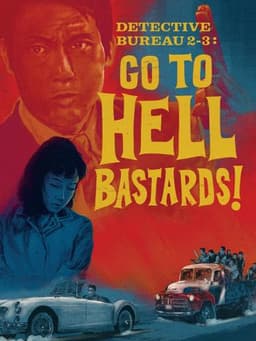
Detective Bureau 2-3: Go to Hell, Bastards!
(1963)Starring original Diamond Guy, Jo Shishido, Seijun Suzuki's Detective Bureau 2-3: Go to Hell Bastards! is a hard hitting, rapid-fire yakuza film that redefined the Japanese crime drama. Detective Tajima (Shishido) is tasked with tracking down a consignment of stolen firearms, as the investigation progresses things take an anarchic, blood-drenched grudge match.

Goké, Body Snatcher from Hell
(1968)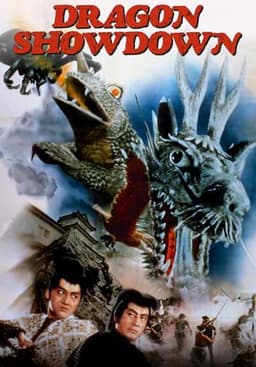
The Magic Serpent
(1966)Ten years after Yuki Daijo usurped the throne by killing his father and he was saved by a magic bird, the would-be prince uses his powers for revenge.
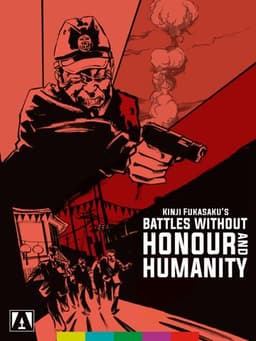
Battles Without Honor and Humanity
(1973)When Battles Without Honour and Humanity first hit Japanese screens in January 1973, partially inspired by the success of The Godfather, it blasted out a new Ground Zero for crime cinema not only in Japan, but in the rest of the world, and spawned a legendary series that would lead to additional episodes, spin-offs, and countless imitations. 1947. Ex-soldier Shôzô Hirono (Bunta Sugawara), after proving his ability with a gun, emerges from the teeming black markets of postwar Kure City into the professional world of the yakuza. Shôzô makes his way from prison to boss in the newly-formed Yamamori family via gang feuds, assassinations and the shifting allegiances of his fellow mobsters, despit his own growing disillusionment with the men he is supposed to respect. Based on the true account of a Hiroshima mob boss and supplemented by meticulous research by screenwriter Kazuo Kasahara, this ferocious, violent saga was directed in a dynamic, newsreel-like style by Kinji Fukasaku, and stunned cinemagoers in Japan upon its release. Like a head-spinning mixture of Martin Scorsese and Paul Greengrass, the film’s frenetic cinematography, colourful characters, and iconic score by Toshiaki Tsushima will leave you thrilled and exhausted, as you embark on one of the world’s greatest gangster film series.
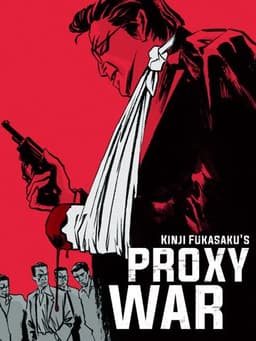
Battles Without Honor and Humanity: Proxy War
(1973)Yakuza boss Shozo Hirono must choose his alliances carefully as the local gangster family affiliations prove themselves to be wildly unstable, causing gang conflicts to escalate.

Shadow Warriors
After being forced to stand back and stay out of the spotlight, a band of ninjas remerges after a group of violent ninjas threatens their town.