Tatsuya Nakadai
26 titles
Filmography
26 results
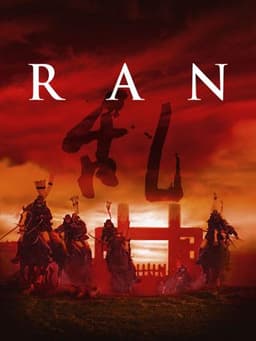
Ran
(1985)In Akira Kurosawa’s dazzling samurai epic (loosely based on King Lear), chaos erupts as Lord Hidetora divides his empire among his three warring sons.

The Human Condition II: Road to Eternity
(1959)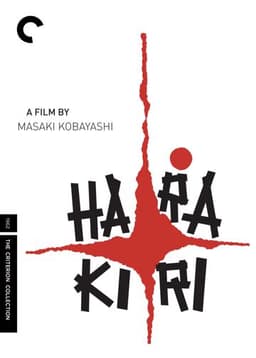
Harakiri
(1962)Following the collapse of his clan, an unemployed samurai (Tatsuya Nakadai) arrives at the manor of Lord Iyi, begging to be allowed to commit ritual suicide on the property. Iyi’s clansmen, believing the desperate ronin is merely angling for a new position, try to force his hand and get him to eviscerate himself—but they have underestimated his beliefs and his personal brand of honor. Winner of the Cannes Film Festival’s Special Jury Prize, Harakiri, directed by Masaki Kobayashi is a fierce evocation of individual agency in the face of a corrupt and hypocritical system.

The Human Condition III: A Soldier's Prayer
(1961)
Kagemusha
(1980)As Shingen, a powerful warlord, lies dying from his battle wounds, he orders his clan to find a double to replace him -- to keep his death secret so his enemies won't attack. The man chosen for this role turns out to be a petty criminal who must somehow transform into a great leader of samurai warriors. It is a milestone in Akira Kurosawa's career.
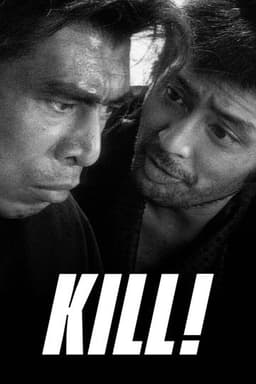
Kill!
(1968)A pair of down-on-their-luck swordsmen arrive in a dusty, windblown town, where they become involved in a local clan dispute.
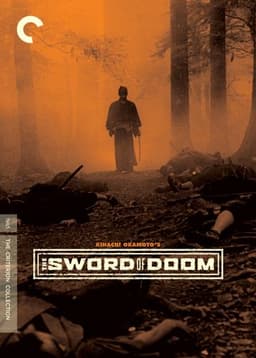
The Sword of Doom
(1966)Tatsuya Nakadai and Toshiro Mifune star in the story of a wandering samurai who exists in a maelstrom of violence. A gifted swordsman plying his trade during the turbulent final days of Shogunate rule Ryunosuke (Nakadai) kills without remorse, without mercy. It is a way of life that ultimately leads to madness.

The Human Condition I: No Greater Love
(1959)Director Masaki Kobayashi (Harakiri) was attracted to Junpei Gomikawa's source novel because he recognised himself in the character of the protagonist Kaji, an ardent pacifist who came of age during the aggressively militaristic 1930s and 40s. Kaji is relocated to a mine-supervising job in Manchuria, where he is horrified by the use of forced labour. Throughout, Kobayashi unflinchingly examines the psychological toll of appallingly complex decisions, where being morally 'right' risks outcomes ranging from ostracism to savage beating to death. As Kaji, Tatsuya Nakadai (Sanjuro) is in virtually every scene, providing a rock-solid emotional anchor - and a necessary one in Japan, where the film was hugely controversial for being openly critical of the nation's conduct during WWII. But it's this willingness to confront national taboos head-on that makes it such a lastingly powerful experience.

The Face of Another
(1966)
Hunter in the Dark
(1979)In Hideo Gosha's film, loyalty and ambition lead to tragic consequences for a yakuza boss (Tatsuya Nakadai) and his bodyguard.
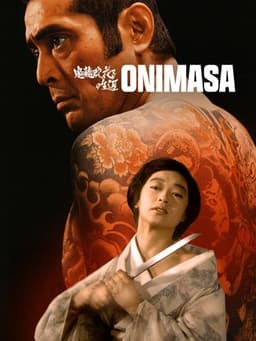
Onimasa: A Japanese Godfather
(1982)
Bandits vs. Samurai Squadron
(1978)Having abandoned his class for a life of banditry, a former samurai warrior leads a band of outlaws in a plot to rob his old clan's castle.

Magistrate of the Floating World
(1981)Government official Kodaira Mochizuki arrives in Bungo Tabe to work an administrative job, but secretly stays in Horisoto to maintain security.
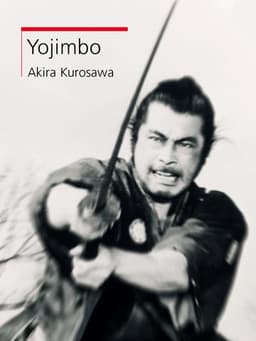
Yojimbo
(1961)Yojimbo is the story of Sanjuro, a samurai in nineteenth-century Japan who drifts into a rural town and learns from the innkeeper that the town is divided between two gangs.
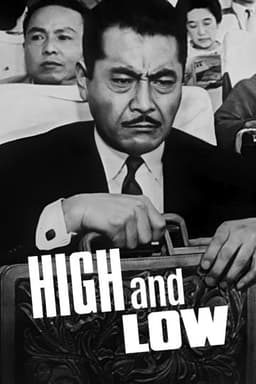
High and Low
(1963)Toshirô Mifune is unforgettable as Kingo Gondo, a wealthy industrialist whose family becomes the target of a cold-blooded kidnapper in Akira Kurosawa’s highly influential High and Low (Tengoku to jigoku).
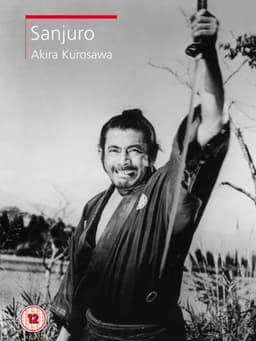
Sanjuro
(1962)The follow-up to hugely successful Yojimbo, sees the return of star Toshiro Mifune as the samurai who cleans up corruption in a small town.

Zatoichi Goes to the Fire Festival
(1970)Cowritten by star Shintaro Katsu, this adventure pits Zatoichi against one of his most diabolical foes: a blind yakuza boss whose reign of terror and exploitation has made him nearly mythic. Guest starring the legendary Tatsuya Nakadai as a ronin haunted by a traumatic past, and featuring an unforgettable nude swordfight in a bathhouse, this twenty-first entry in the series is a fan favorite.

Conflagration
(1958)
The Inheritance
(1962)